

Planning a trip to America’s most spectacular natural landscapes can be difficult when there are so many incredible destinations to choose from. The best national parks in USA offer everything from towering mountains and deep canyons to ancient forests, deserts, glaciers, and coastal scenery. For travelers searching for the best national parks in USA, the right destination depends on the season, activities, and type of landscape they want to experience.
The best national parks in USA are spread across different regions, so each park offers a different travel experience. Some are perfect for hiking and wildlife watching, while others are better known for scenic drives, photography, waterfalls, or unique geological formations. Exploring the best national parks in USA can also be a great way to experience some of the country’s most remarkable natural environments.
This guide highlights 20 of the best national parks in USA to consider for a 2026 trip. From Yellowstone and the Grand Canyon to Acadia and Olympic National Park, these destinations provide a range of experiences for travelers from the USA, UK, Canada, Australia, and beyond. If you are researching the best national parks in USA for your next vacation, this list can help you compare destinations and choose parks that match your interests.
1. Yellowstone National Park, Wyoming, Montana and Idaho
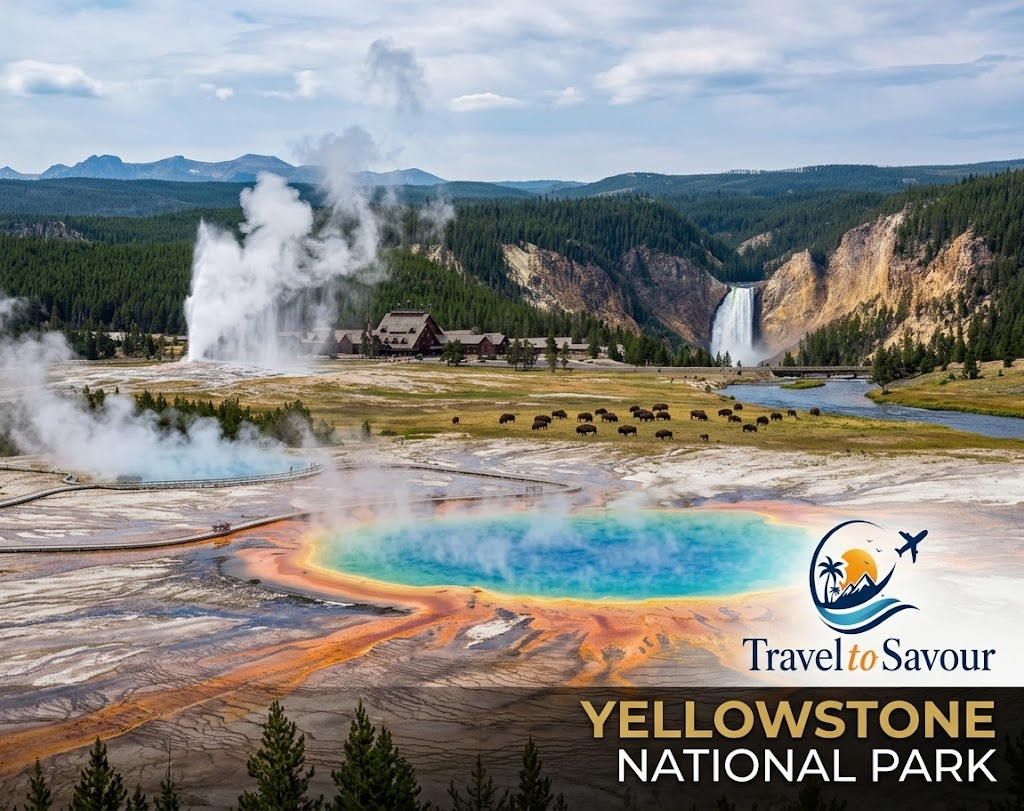
Yellowstone is one of the most recognizable national parks in the United States. It is famous for geothermal features, wildlife, dramatic landscapes, and the Grand Canyon of the Yellowstone River.
Visitors can see geysers, hot springs, mud pots, waterfalls, and large wildlife populations. Old Faithful is one of the park’s best known attractions, but there are many other geothermal areas worth exploring.
Yellowstone covers about 2.2 million acres, so trying to see everything in one visit is unrealistic.
Best for: Wildlife, geysers, scenic drives, photography, and family trips.
2. Grand Canyon National Park, Arizona
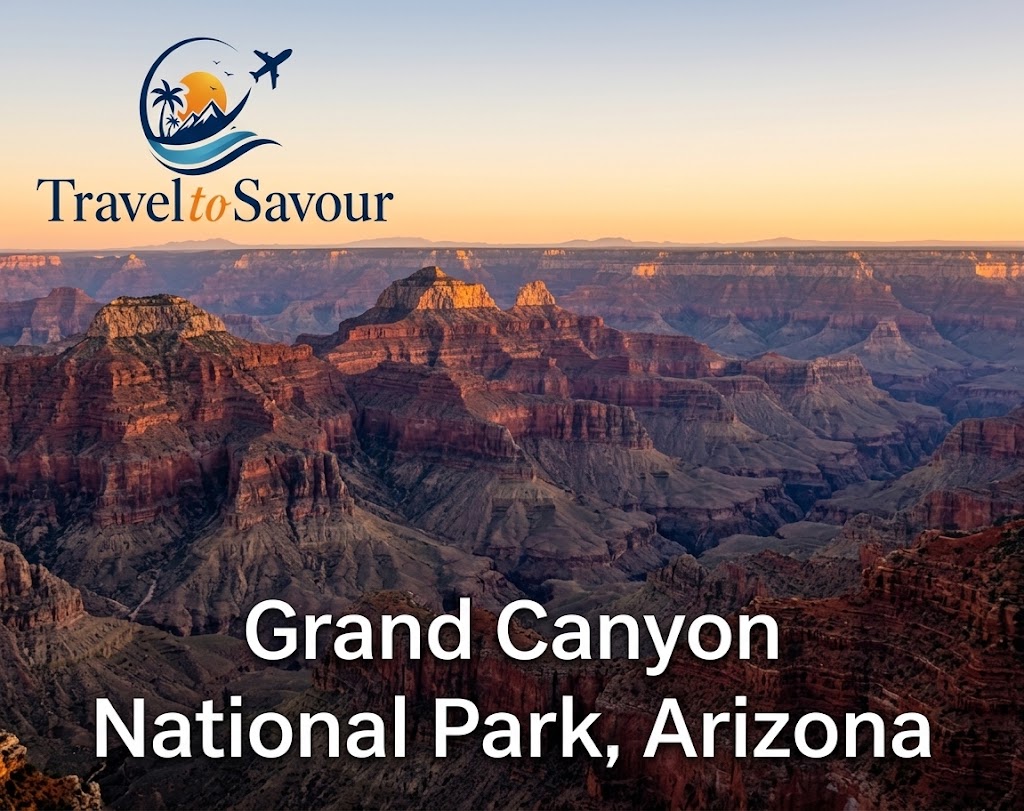
The Grand Canyon is one of America’s most famous natural landmarks. Its enormous scale, layered rock formations, and changing colors make it a spectacular destination for both first time and returning visitors.
The South Rim is open throughout the year and offers many viewpoints along the canyon. More adventurous travelers can hike below the rim, although temperatures and elevation changes require careful planning.
Sunrise and sunset are particularly popular times for photography.
Best for: Scenic viewpoints, hiking, photography, and road trips.
3. Yosemite National Park, California
Yosemite combines granite cliffs, waterfalls, giant trees, alpine scenery, and mountain valleys. Yosemite Valley is the park’s most famous area and provides views of landmarks such as El Capitan and Half Dome.
Hiking options range from relatively easy walks to demanding mountain trails. Waterfalls are generally most impressive during the spring snowmelt period, while summer provides easier access to many higher elevation areas.
Best for: Hiking, waterfalls, rock formations, photography, and families.
4. Zion National Park, Utah
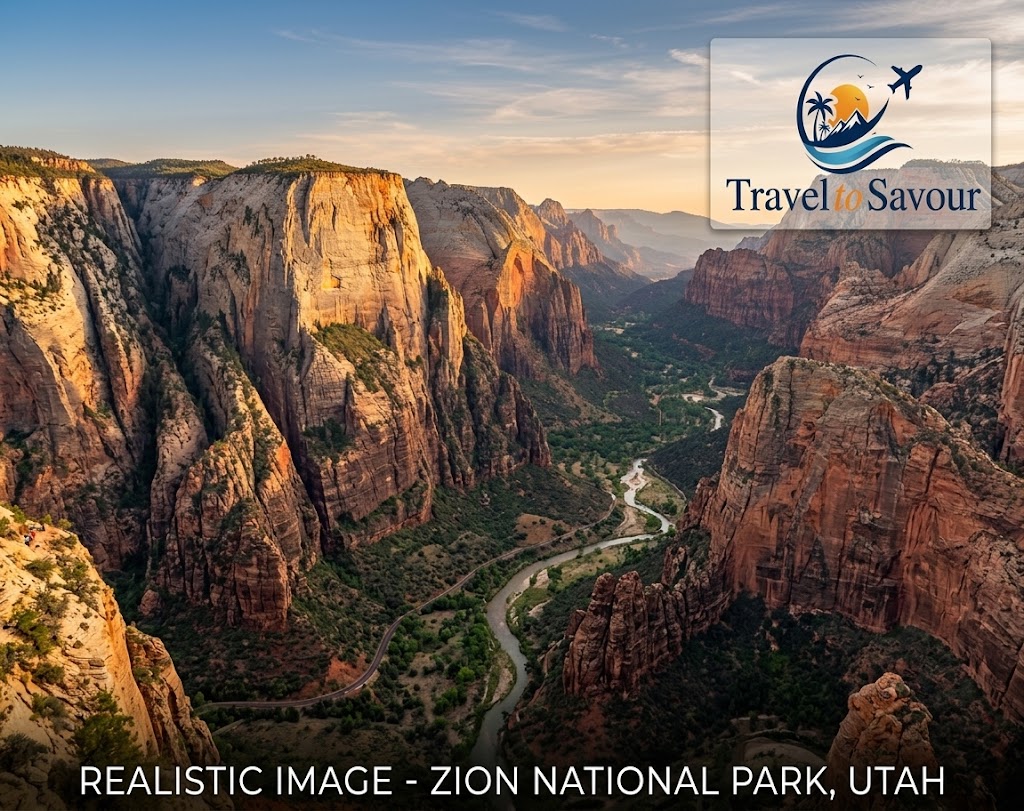
Zion is known for its towering sandstone cliffs and narrow canyon landscapes. The park offers a combination of accessible scenic areas and challenging hikes.
The Zion Canyon area is especially popular, and some trails require careful preparation because of elevation, heat, water conditions, and exposure.
Travelers should check current park transportation and trail information before visiting because access arrangements can vary by season.
Best for: Hiking, canyon scenery, photography, and adventure travel.
5. Great Smoky Mountains National Park, Tennessee and North Carolina
Great Smoky Mountains National Park is known for forested mountains, streams, waterfalls, wildlife, and changing seasonal scenery.
It is also one of the most visited national parks in the United States. The National Park Service recorded more than 11.5 million recreation visits there in 2025, making it the most visited national park that year.
The park works well for travelers who want mountain scenery without needing to plan a remote wilderness expedition.
Best for: Scenic drives, hiking, families, waterfalls, and fall foliage.
6. Glacier National Park, Montana
Glacier National Park features rugged mountains, alpine lakes, forests, and dramatic valleys. The Going to the Sun Road is one of its most famous scenic routes.
Hiking is a major reason people visit. Trails range from shorter walks to demanding backcountry routes.
Summer is popular because many high elevation areas are more accessible, while autumn brings cooler temperatures and colorful scenery.
Best for: Hiking, mountain scenery, lakes, and wildlife.
7. Grand Teton National Park, Wyoming
Grand Teton is famous for its sharp mountain peaks rising dramatically above lakes and valleys. Its scenery is especially impressive around Jenny Lake, Jackson Lake, and the Snake River.
The park is close to Yellowstone, making it possible to combine both destinations in one road trip.
Wildlife viewing can include elk, moose, bison, and other animals, although sightings are never guaranteed.
Best for: Mountains, wildlife, photography, and road trips.
8. Rocky Mountain National Park, Colorado
Rocky Mountain National Park offers high alpine landscapes, mountain lakes, forests, and extensive hiking opportunities.
Trail Ridge Road provides access to high elevation scenery when seasonal conditions allow. Visitors should remember that high altitude can affect people who are not accustomed to it.
Summer is popular for hiking, while autumn attracts travelers hoping to see changing foliage and elk activity.
Best for: Hiking, mountain views, wildlife, and scenic drives.
9. Acadia National Park, Maine
Acadia provides a different national park experience from the large western parks. Located along the coast of Maine, it combines rocky shorelines, forests, mountains, and ocean views.
Cadillac Mountain is one of the park’s best known attractions. The surrounding area also offers hiking, cycling, scenic drives, and opportunities to explore nearby coastal communities.
Acadia can be especially appealing during autumn when the surrounding forests develop vibrant colors.
Best for: Coastal scenery, fall colors, hiking, and photography.
10. Olympic National Park, Washington
Olympic National Park contains several distinct environments within one park. Visitors can explore temperate rainforest, rugged Pacific coastline, alpine mountains, and lakes.
The Hoh Rain Forest is among its most recognizable areas, while Hurricane Ridge provides mountain scenery.
Because different parts of the park can feel completely different, a longer visit allows travelers to experience more of its landscapes.
Best for: Rainforests, beaches, hiking, and diverse landscapes.
11. Arches National Park, Utah
Arches is known for its naturally formed sandstone arches and desert landscapes. Delicate Arch is the park’s most famous formation.
The park is relatively compact compared with some western national parks, making it possible to see several major attractions during a well planned visit.
Summer temperatures can be intense, so visitors should plan outdoor activities carefully and carry sufficient water.
Best for: Desert scenery, photography, hiking, and geology.
12. Bryce Canyon National Park, Utah
Bryce Canyon is famous for its unusual hoodoo formations. These tall, narrow rock structures create one of the most distinctive landscapes in the American Southwest.
The viewpoints along the rim provide excellent perspectives, while trails descend into the amphitheaters between the hoodoos.
The park’s elevation also means temperatures can be cooler than visitors expect when compared with lower desert areas.
Best for: Geology, hiking, sunrise photography, and scenic viewpoints.
13. Joshua Tree National Park, California
Joshua Tree brings together two distinct desert ecosystems and is recognized for its unusual Joshua trees, giant boulders, and wide open landscapes.
Rock formations make the park popular with climbers, while scenic roads and hiking trails provide plenty of options for casual visitors.
The desert environment can become extremely hot, so cooler seasons are often more comfortable for extended outdoor activities.
Best for: Desert landscapes, rock climbing, photography, and stargazing.
14. Everglades National Park, Florida
Everglades National Park offers a completely different experience from the mountain parks of the western United States.
Its wetlands, mangrove forests, waterways, and wildlife provide opportunities for boating, kayaking, birdwatching, and nature photography.
Visitors may encounter alligators, manatees, turtles, wading birds, and other wildlife. Responsible wildlife viewing is essential, and visitors should keep a safe distance from animals.
Best for: Wildlife, wetlands, kayaking, birdwatching, and warm weather travel.
15. Hawai’i Volcanoes National Park, Hawaii
Hawai’i Volcanoes National Park offers visitors an opportunity to explore volcanic landscapes in Hawaii. The park includes lava fields, volcanic features, forests, and coastal scenery.
Conditions can change around volcanic areas, so visitors should always check current park alerts and safety information before exploring.
The combination of geology and Hawaiian landscapes makes this park particularly different from mainland destinations.
Best for: Volcanoes, geology, hiking, and unique landscapes.
16. Death Valley National Park, California and Nevada
Death Valley is famous for its extreme desert environment, salt flats, mountains, dunes, and colorful geological formations.
Badwater Basin is one of its best known locations, while areas such as Zabriskie Point provide dramatic views.
Heat can be a serious concern, especially during the warmer months. Travelers should plan carefully, carry enough water, and avoid underestimating distances between locations.
Best for: Desert landscapes, geology, photography, and scenic drives.
17. Sequoia National Park, California
Sequoia National Park is home to enormous giant sequoia trees. The General Sherman Tree is among the park’s best known attractions.
The park also contains mountain scenery, canyons, forests, and hiking trails. It can be combined with nearby Kings Canyon National Park for a longer California nature trip.
Visitors should follow trail and park guidance to protect the trees and surrounding environment.
Best for: Giant trees, hiking, families, and forest scenery.
18. Mount Rainier National Park, Washington
Mount Rainier dominates the surrounding landscape and provides an impressive backdrop for meadows, forests, glaciers, and mountain trails.
During the warmer months, wildflowers can transform alpine meadows into colorful landscapes. Hiking opportunities range from short scenic walks to demanding routes.
Weather in mountain environments can change quickly, so checking conditions before heading onto trails is essential.
Best for: Mountain scenery, wildflowers, hiking, and photography.
19. New River Gorge National Park and Preserve, West Virginia
New River Gorge offers a combination of river scenery, forests, cliffs, bridges, and outdoor recreation.
The park is particularly well suited to travelers interested in hiking, climbing, rafting, and scenic overlooks.
Its location in the Appalachian region also makes it an interesting choice for travelers who want a national park experience outside the better known western destinations.
Best for: Adventure activities, river scenery, hiking, and scenic overlooks.
20. Redwood National and State Parks, California
Redwood National and State Parks protect some of the world’s tallest trees and offer a combination of forests, rivers, meadows, and coastal landscapes.
Walking among mature redwoods can be one of the most memorable experiences in Northern California. The nearby coastline adds another dimension to the trip.
The region is also useful for travelers planning a longer Northern California road trip.
Best for: Giant trees, forests, coastal drives, hiking, and photography.
How to Choose the Best National Park for Your Trip
The best park for your trip depends on your interests and travel style.
| If you want… | Consider… |
|---|---|
| Wildlife | Yellowstone, Grand Teton, Everglades |
| Mountains | Grand Teton, Glacier, Rocky Mountain |
| Desert scenery | Arches, Bryce Canyon, Joshua Tree |
| Waterfalls | Yosemite, Great Smoky Mountains |
| Coastal landscapes | Acadia, Olympic, Redwood |
| Giant trees | Sequoia, Redwood |
| Volcanoes | Hawai’i Volcanoes |
| Family friendly sightseeing | Yellowstone, Grand Canyon, Acadia |
| Challenging hiking | Zion, Glacier, Yosemite |
| Scenic road trips | Yellowstone, Grand Teton, Olympic |
If your travel plans extend beyond American national parks, a separate destination guide can also be useful when comparing outdoor trips in other mountain regions, such as best national parks in USA.
Best Time to Visit National Parks in the USA
There is no single best month for every national park.
Spring can be excellent for waterfalls, wildflowers, and moderate temperatures. However, snow may still affect roads and trails in higher elevation parks.
Summer provides access to many mountain areas and is a popular season for camping and hiking. The tradeoff is that major parks can be busy, and some desert parks can become extremely hot.
Fall is a strong choice for colorful foliage in parks such as Great Smoky Mountains and Acadia. Cooler temperatures can also make hiking more comfortable.
Winter can provide quieter conditions and beautiful snow covered landscapes, but some roads, campgrounds, and trails may be closed because of weather.
Before traveling, check the official National Park Service website for current road conditions, closures, permits, alerts, operating schedules, and other park specific information. Conditions can change during the season.
Tips for Planning a 2026 National Park Trip
A little preparation can make a major difference.
- Check the official park website before leaving. Look for current alerts, road conditions, closures, and seasonal information.
- Plan around the weather. Mountain and desert conditions can be very different from nearby cities.
- Start early at popular parks. Early mornings can provide better parking opportunities and cooler hiking conditions.
- Carry enough water. This is especially important in desert parks.
- Stay on designated trails. This protects both visitors and fragile natural environments.
- Keep wildlife at a safe distance. Never approach or feed wild animals.
- Allow extra travel time. Large parks can take much longer to cross than expected.
- Book accommodation early when possible. Popular parks can have limited lodging and camping availability.
The National Park Service currently manages 433 units across the national park system, while 63 have the specific designation of national park.
Frequently Asked Questions
What are the best national parks in USA for first time visitors?
Yellowstone, Grand Canyon, Yosemite, Zion, and Great Smoky Mountains are strong options because they offer recognizable scenery and a wide range of activities. The right choice depends on the season and activities you prefer.
Which US national parks are best for hiking?
Zion, Yosemite, Glacier, Rocky Mountain, Olympic, and Grand Teton offer extensive hiking opportunities. Trail difficulty varies significantly, so check current conditions and choose routes that match your experience.
What is the most visited national park in the USA?
Great Smoky Mountains National Park recorded the highest number of visits among U.S. national parks in 2025, with more than 11.5 million recreation visits according to the National Park Service.
How many national parks are there in the United States?
The National Park Service currently lists 63 national parks. The broader National Park System contains hundreds of additional sites with different designations, including national monuments, historical parks, recreation areas, and preserves.
Should I visit national parks in summer or fall?
It depends on the park. Summer generally provides better access to many high elevation areas, while fall can offer cooler temperatures and colorful foliage in several parks. Always check seasonal conditions before planning specific hikes or routes.